 I didn’t start out wanting to be a photographer. As a kid, I was convinced I’d be a comic book artist. My brother and I created our own worlds and characters… until my attention shifted from superheroes to drawing beautiful women instead. (If you want to see what my brother turned his creativity into, my brother Eric is a beast.)
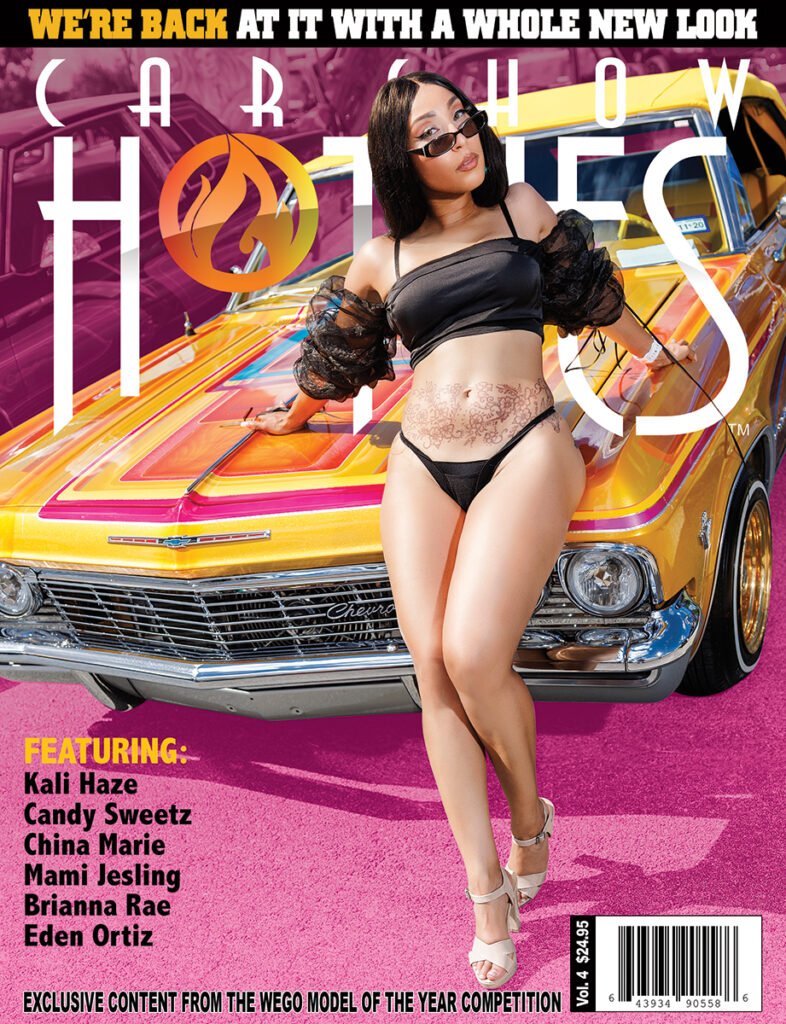
Around the same time, I fell hard into lowrider culture—car magazines, models, and the realization that someone out there was actually getting paid to capture that world. I always had a camera with me, and in the mid-90s I picked up my first real camera—a film camera that made me take it seriously. I learned the hard way: trial, error, and plenty of shots that looked better in my head than they did on the roll.
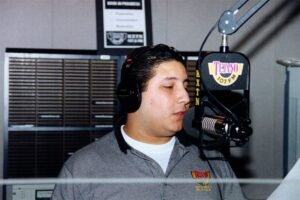 Meanwhile, I fell into radio and DJ work, which taught me how to read people fast, talk to anyone, and create a comfortable vibe—skills that ended up being just as useful behind the camera as they were behind a microphone. I worked in multiple cities and formats over the years, and those radio-studio days are a big part of my story because they shaped my confidence, my timing, and my ability to connect with people quickly.
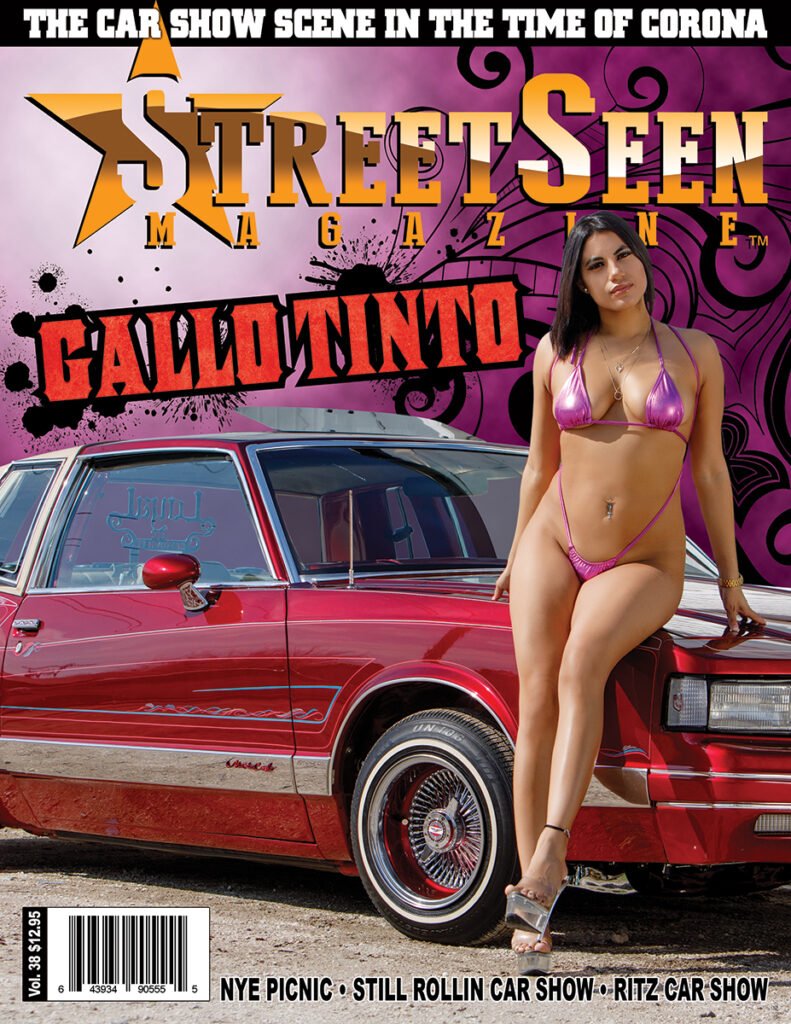
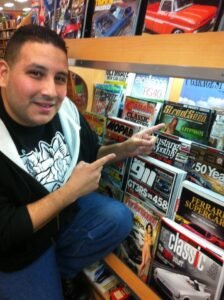 I never stopped shooting. By 2007, I launched my own magazine, StreetSeen, and in 2010 I landed a national distribution deal—meaning you could literally find my work on shelves at Barnes & Noble, 7-Eleven, and Hastings. That deal lasted about a year, and it taught me a lesson the hard way: running a magazine solo can turn creative work into nonstop chasing advertisers for payment. Between real life at home and the business side turning into a bill-collector job, I burned out and pulled back.
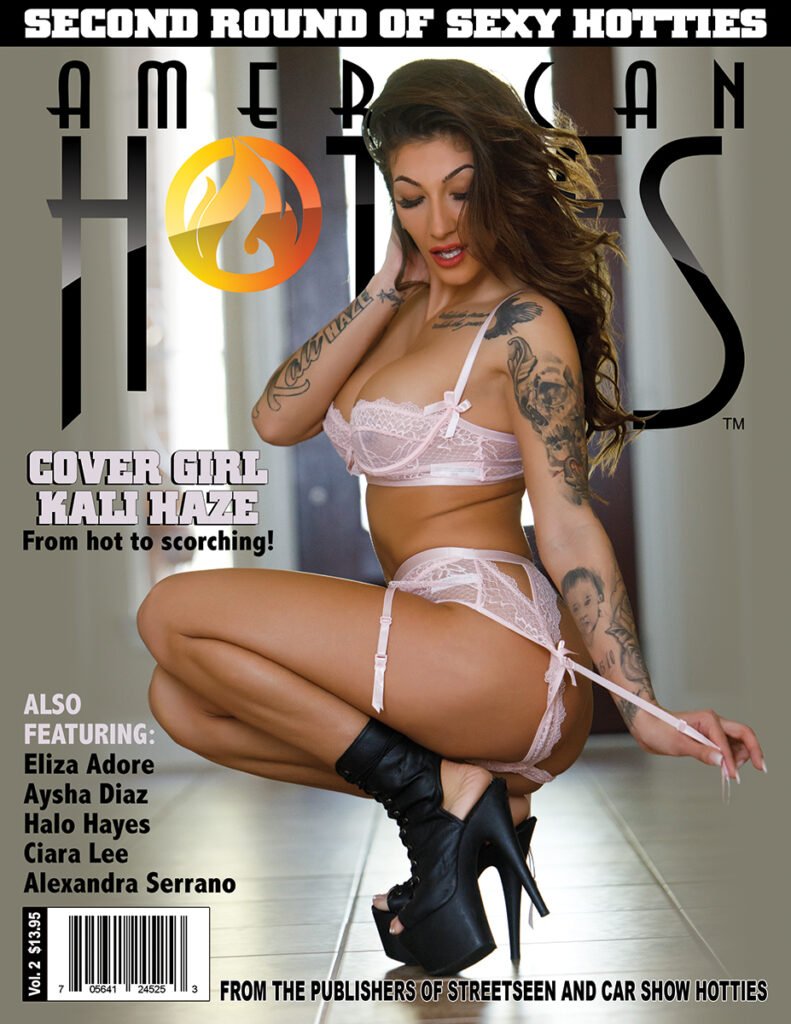
That pivot is what pushed me toward studio work and the direction I’m known for now. Today, most of my publishing happens online, and my main title is American Hotties—a studio-focused magazine built around photographing gorgeous women without being tied to the travel and expense of event coverage. Along with other studio projects, the mission stays simple: show up, create great images, and keep the focus on the shoot.
And here’s the part I’m proud of: a lot of the women I photograph aren’t “models” at all. Some have never stood in front of a camera before. That doesn’t scare me—it’s where I do my best work. I’ll direct you step-by-step, keep it comfortable, and help you get the kind of photos that make you say, “Wait… that’s me?” The goal is simple: a shoot that feels easy, a vibe that stays respectful, and images that bring out your best.